Prologue: Welcome to Kuki Shuzo and the World of “Akira Translation”
Hello everyone. This is Akira.
——To you living in an uncertain age
Imagine this.
Suppose you are feeling a little suffocated by life right now…
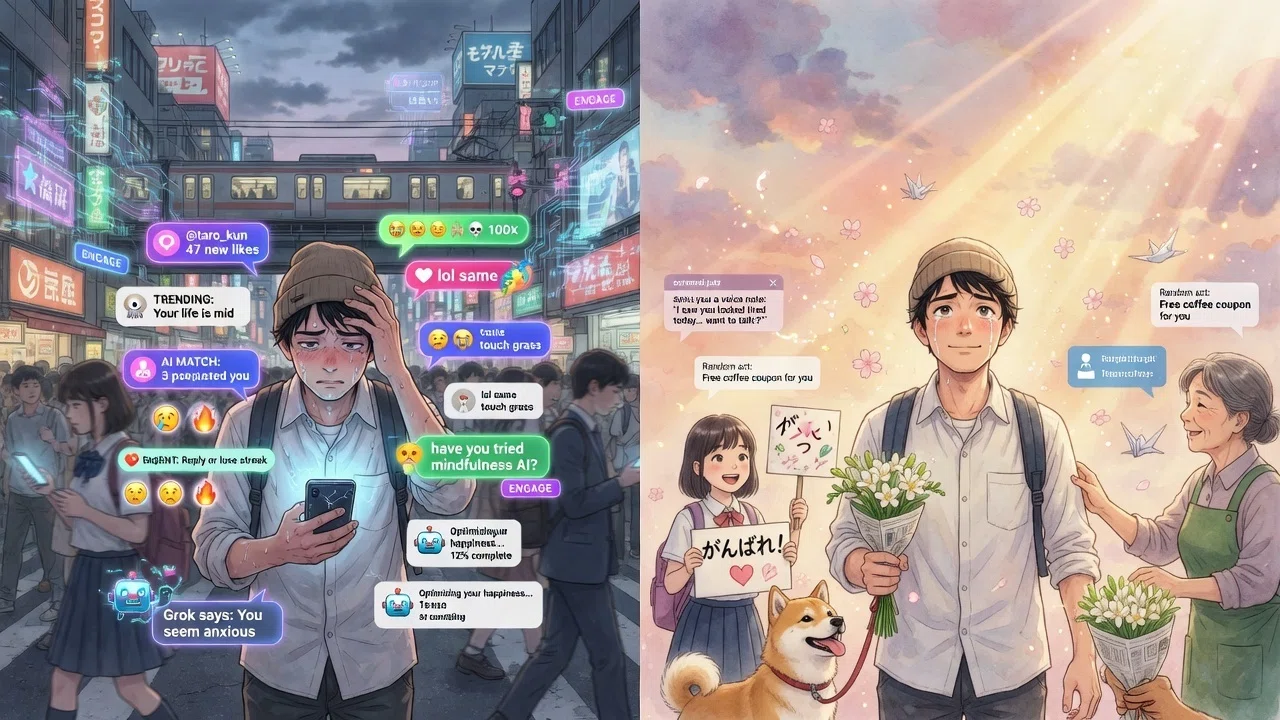
Every day feels unpredictable. You’re constantly distracted by SNS notifications, and as AI grows more and more intelligent, you start to wonder, “Is my life really my own to decide?”
Unexpected events throw you off balance, and you find yourself thinking, “Is this fate? Or just coincidence?”
I’m sure many people are living with these kinds of feelings.
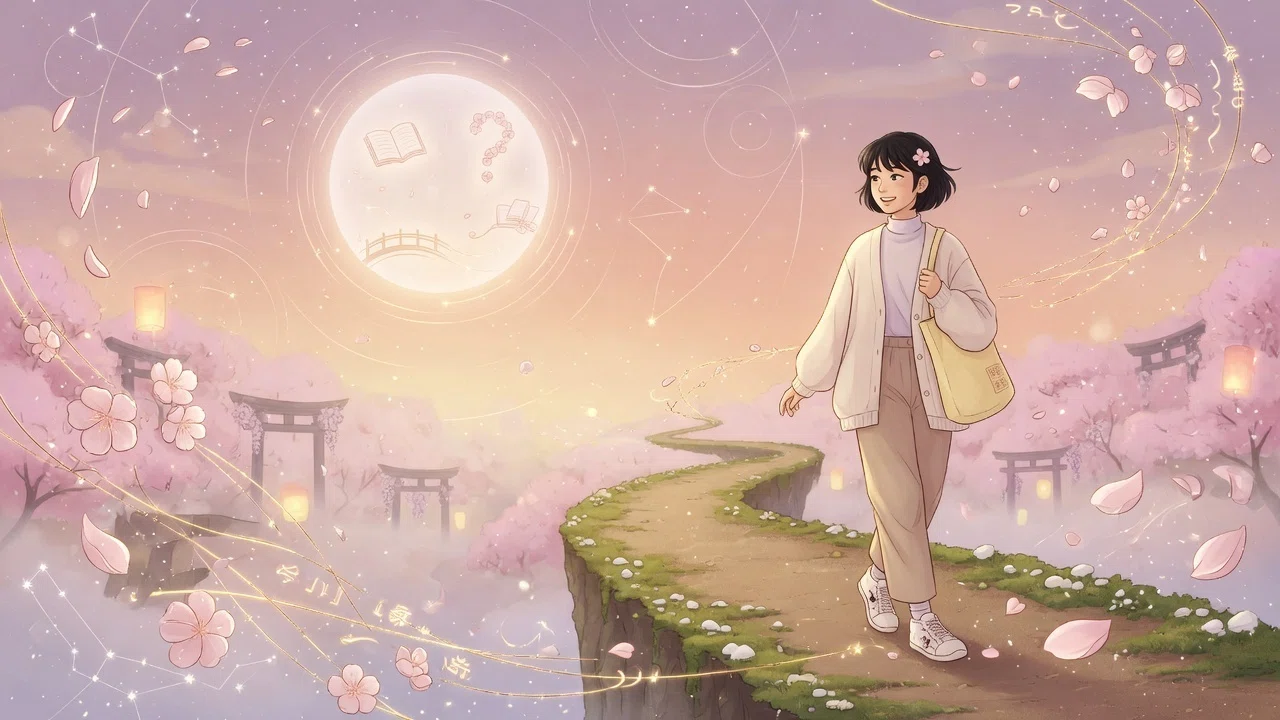
But it’s okay.
From here, let’s gently step together into the world of Kuki Shuzo.
In this “Akira Translation,” I will break down difficult philosophy into everyday language, as if an older brother on an educational TV program were explaining it to you.
I wrote this so that even those encountering philosophy for the first time can truly feel, “Ah, I see.”
Previously, in the same style, we read another famous work by Kuki, The Structure of Iki, as an “Akira Translation.”
At that time, we unraveled the uniquely Japanese sense of iki — a refined, sophisticated aesthetic — using examples that feel relevant to us in the Reiwa era.
Whether you read that magazine or this is your first time, it doesn’t matter at all.
For Kuki, iki was the “coloring” of life, while “contingency” is the “root” of life.
This work, The Problem of Contingency, stands completely on its own. You can enjoy it as emotional support in your current life.
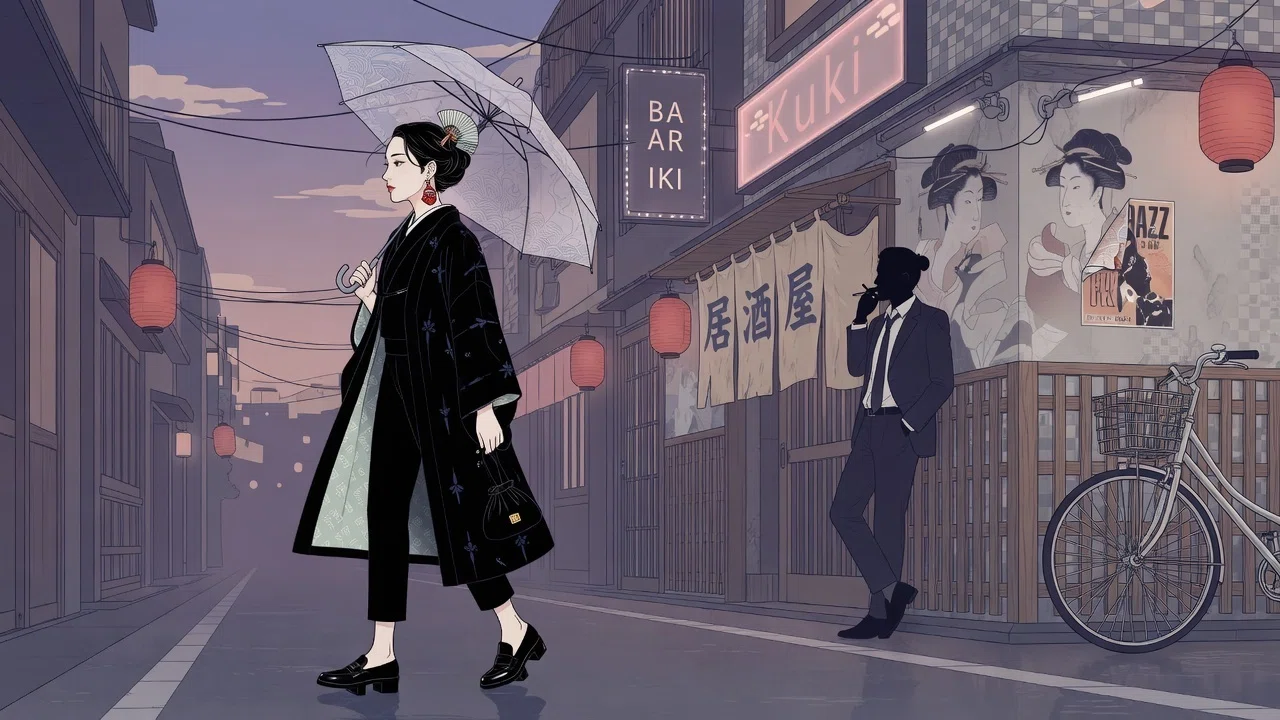
So why is learning about “contingency” such a great “salvation” for us right now?
We are truly living in an uncertain age.
Work, relationships, human connections, future plans — none of them can be said with certainty, “This is absolutely how it will be.”
Unexpected events can shake us and make us lose confidence.
But Kuki Shuzo teaches us that these very “coincidences” and “surprises” are the key to making life freer and richer.
When we understand contingency, we gain a sense of reassurance:
“Not everything is predetermined. That’s why we can still change things from here.”
Sudden encounters or unexpected good fortune are no longer just left to chance — they can be received as meaningful brilliance in your own life.
This is what gives us the strength to live and creates room in our hearts — a quiet but powerful salvation for us living today.
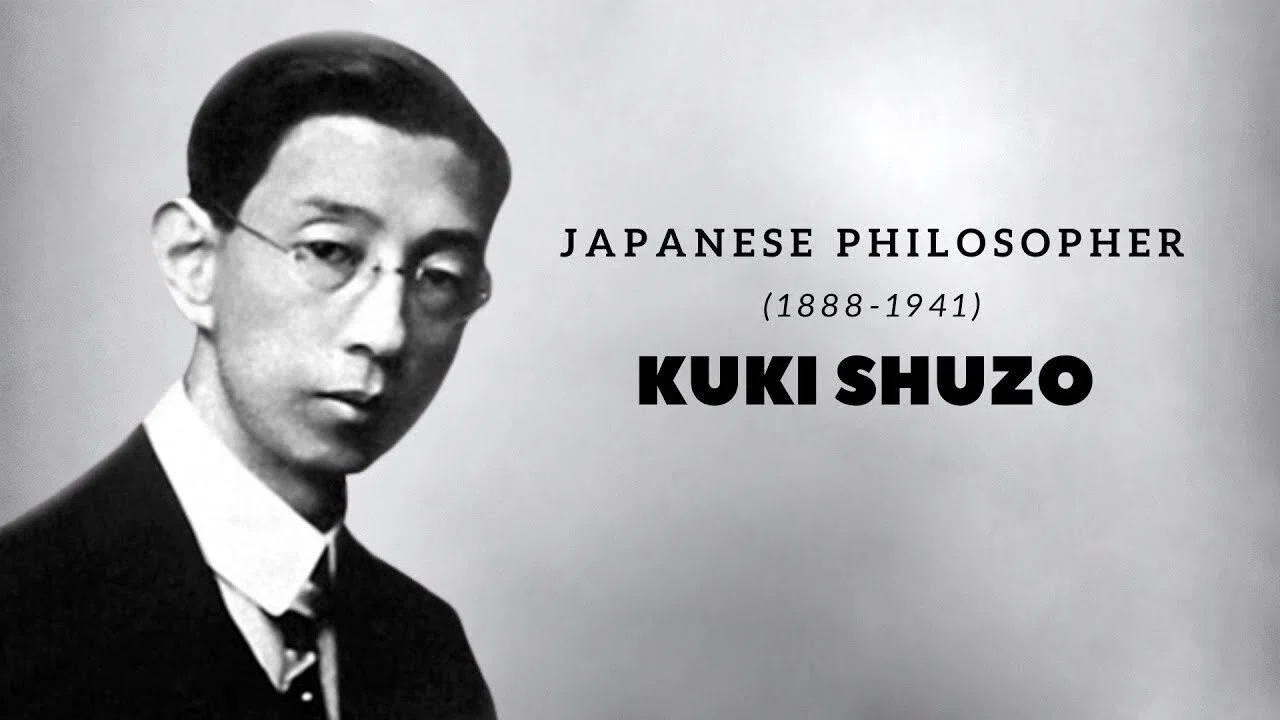
Kuki wrote this book around 1935.
Even then, it was a turbulent time, but by deeply observing “coincidence,” he showed that life can appear more beautiful and free.
Now, shall we journey into this world together?
From here on, the everyday “coincidences” around you will likely begin to shine differently.
Well then, let’s finally begin the main discussion.
What exactly is “contingency”? Let’s start from the gentlest place.
I look forward to exploring it with you.

QRコードで即追加 → 秘密の回廊が開く