Not Loneliness, but Choosing “One-Person Mode” — The Quiet Form of Self-Recovery Spreading in the Reiwa Era
【Genre】Society
日本語(original) | English version | 繁體中文(台灣)版 | Tiếng Việt
Hello everyone. This is Akira.
Compared to 30 years ago, Japanese people have clearly started choosing “being alone.”
According to a survey by Hakuhodo Institute of Life and Living, 43.5% of people answered “I prefer being alone” in 1993, but by 2023 this had risen to 56.3%.
In particular, more than 80% of people in their 40s and above answered that they prefer being alone.
This is not simply a story of “more people liking loneliness.”
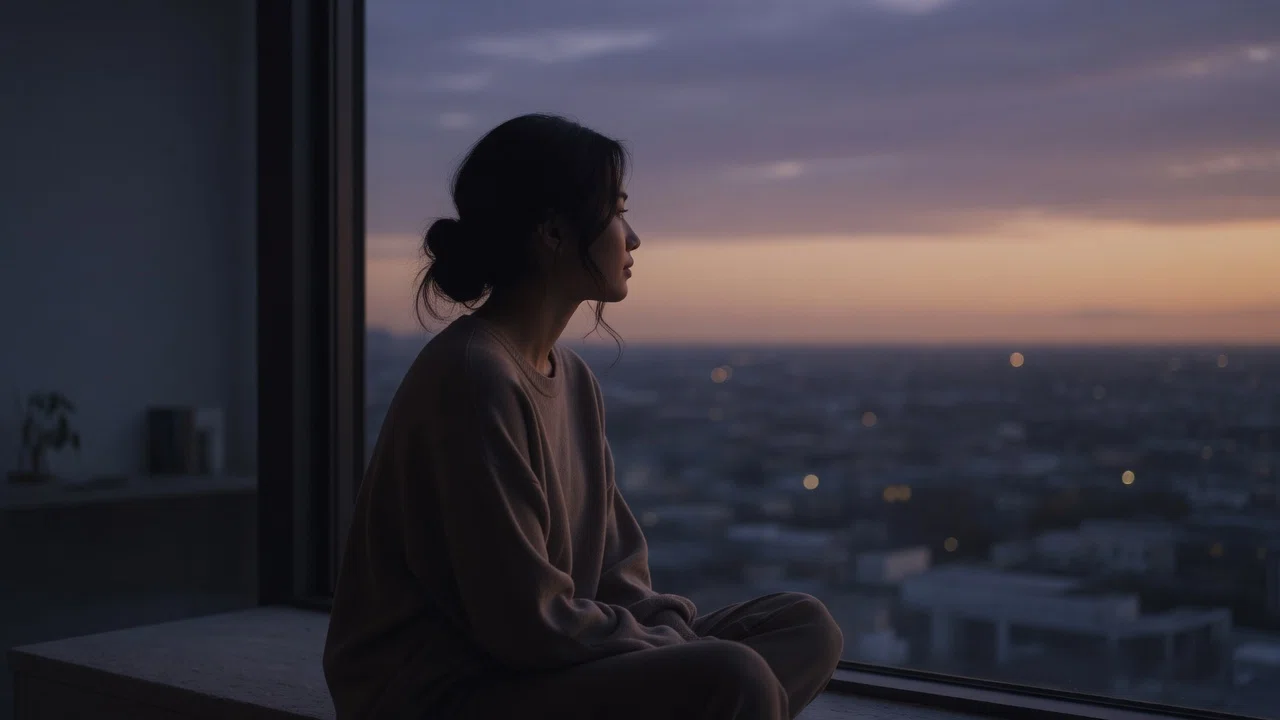
The state of “being alone” is no longer something special, but is becoming a “mode” that anyone can use depending on the time and situation.
That is the major change that has occurred over these 30 years.
“Solo-ization” and “Together-ization” Are Progressing Simultaneously
What is interesting is that while the preference for “being alone” is increasing, the desire to “be together” is also strengthening at the same time.
For example, items such as “contacting family when returning home late” and “wanting to wear matching outfits with a partner or spouse” have increased significantly over the past 30 years.
On the other hand, items such as “wanting to share common hobbies with a spouse” or “following a spouse’s transfer” have decreased.
This is not a contradiction. Rather, it is evidence that modern people have become able to flexibly switch between “being physically together” and “being mentally alone.”
“Being alone” is no longer a fixed attribute meaning loneliness, but is becoming a mode that one can choose for oneself.
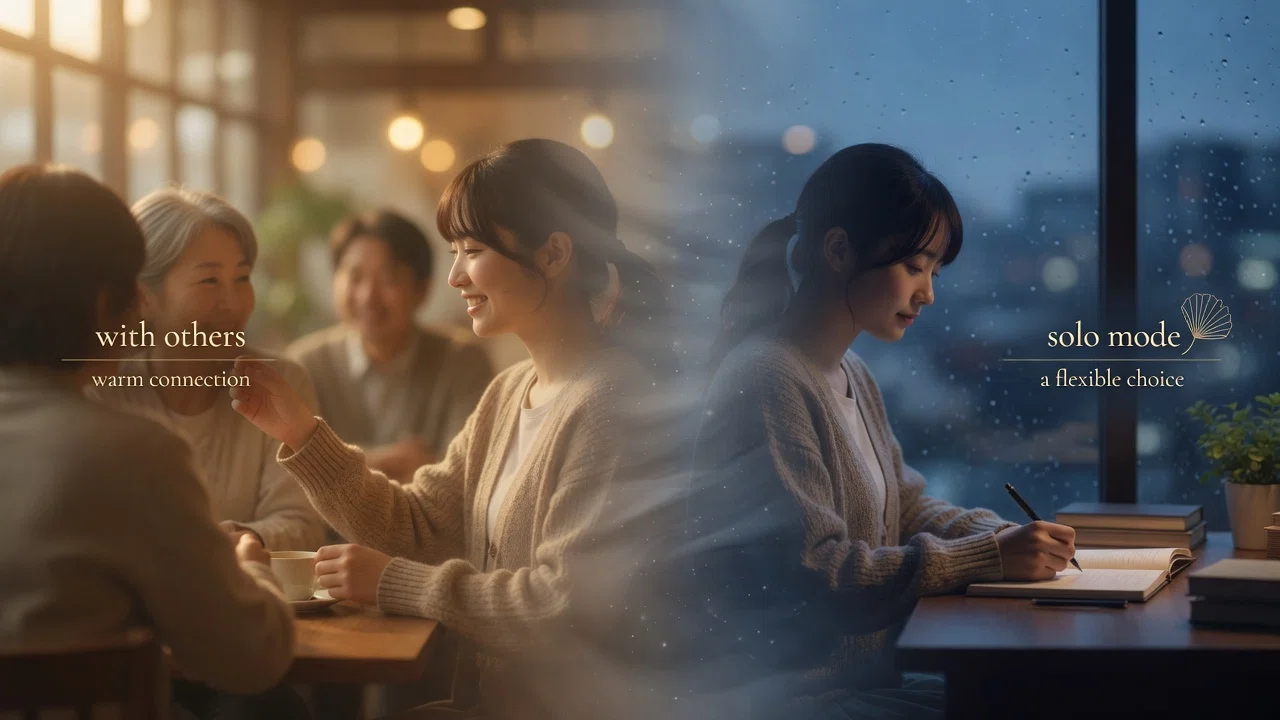
The Four Values Sought by “One-Person Mode”
The values particularly cherished by people who choose “one-person mode” are the following four:
Heightened Sensitivity
When with others, energy is taken up by communication. When alone, you can purely savor what is in front of you.
Facing Yourself
Time to deeply immerse yourself in your inner world without worrying about the influence or gaze of others. This has become an important act for resting the brain and organizing oneself.
Capitalizing on Opportunities
The flexibility to act freely without being bound by other people’s schedules.
Encountering the Unexpected
Because you are alone, new encounters and coincidences are more likely to occur.
Toward an Era of Reading “Person × Mode × Scene”
This change also gives significant implications for the nature of business and communication.
From now on, not only “to whom,” but “to which mode of that person” and “in which scene” to deliver it — a higher resolution of understanding will be required.
People who choose “one-person mode” are not simply wanting to be alone.
They are seeking a quiet and rich time where they can cherish their own sensitivity, face their inner world, move freely, and sometimes enjoy unexpected encounters.
It is also a quiet resistance against the modern societal demand to “always be connected and always responding.”
When you choose “one-person mode” now, what value are you seeking?
Is it simply rest?
Or is it a quiet act of reclaiming yourself?
——That answer cannot be forced by anyone.
All that remains is to quietly continue listening to the form of “being alone” that you truly desire.
Akira
👤 Profile: https://discipline.tokyo/profile.php
📮 Anonymous Consultation Form: https://discipline.tokyo/contact.php
📚 All Activities Summary: https://discipline.tokyo/index.php
※ This series and related content are the crystallization of my thoughts and are protected by copyright law. Please clearly indicate the source when quoting. Unauthorized reproduction or commercial use is prohibited.
© 2026 Akira All Rights Reserved.

QRコードで即追加 → 秘密の回廊が開く