Why Can’t We Resist the “Average 47 Seconds” Attention Span? — The Digital Cage and the Philosophy of Attention
Hello everyone. This is Akira.
Today, I’d like to gently share something important with you.
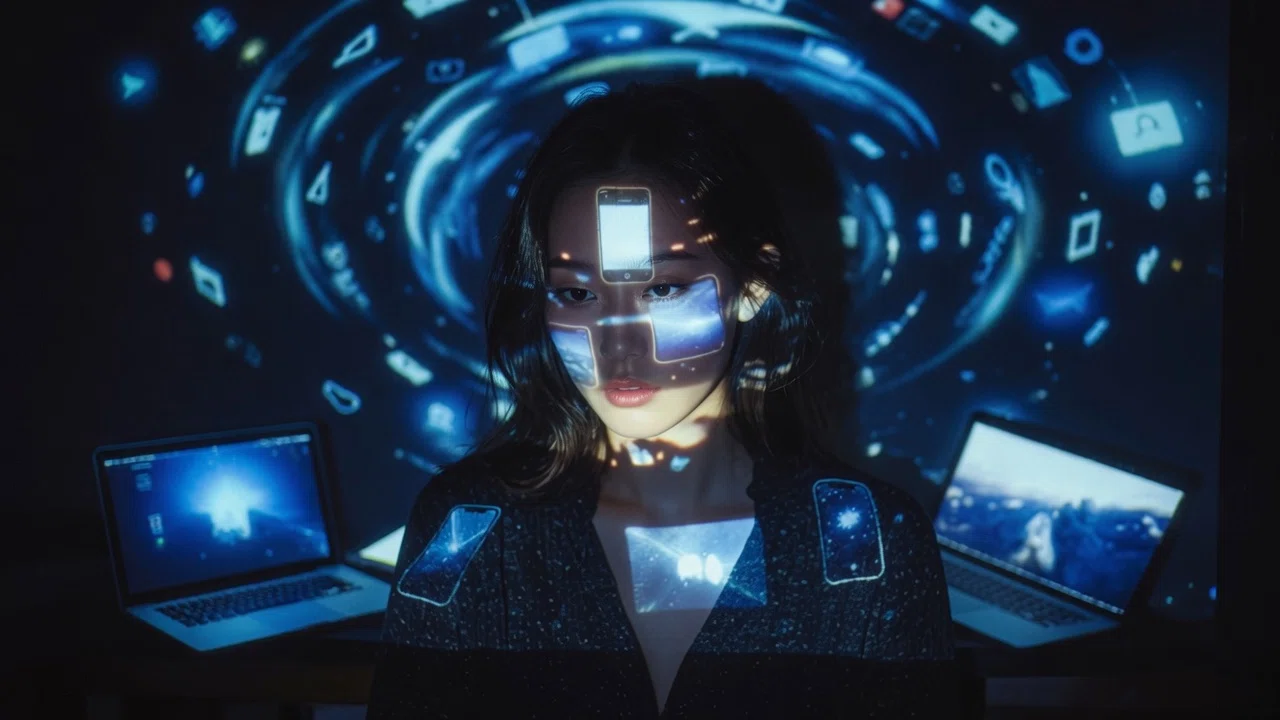
Have you ever been using your phone and suddenly thought,
“Wait… I haven’t made any progress at all”?
You try to read a book, but something else quickly pulls your attention, and before you know it, you’re scrolling the screen.
You try to start working, but notifications keep catching your eye, and you never quite reach the deeper part of the task.
Have you had experiences like that?
There is actually a clear number behind this.
According to research from the University of California, around 2004, the average time a person could focus on one thing was about two and a half minutes.
But from 2016 to 2020, that dropped to an average of just 47 seconds.
In less than twenty years, it became less than half.
We often hear the phrase “attention span is broken.”
But experts say this instead:
“It isn’t broken. It’s just very tired.”
Our brains have two ways of using attention.
One is the power we deliberately decide to use: “I will focus on this.”
The other is the power that instantly reacts to external stimuli.
Today’s digital society strongly stimulates the latter — the reactive power.
Notifications, short videos, information flowing one after another.
The brain becomes accustomed to this, and the ability to stay with one thing for a long time gradually weakens.
Some people call this “selective attention fatigue.”
It is a state in which the brain’s filter becomes exhausted and can no longer properly distinguish what is important from what is not.
So the reason your concentration doesn’t last is not because you are lazy.
It is the result of your brain desperately adapting to the current environment.
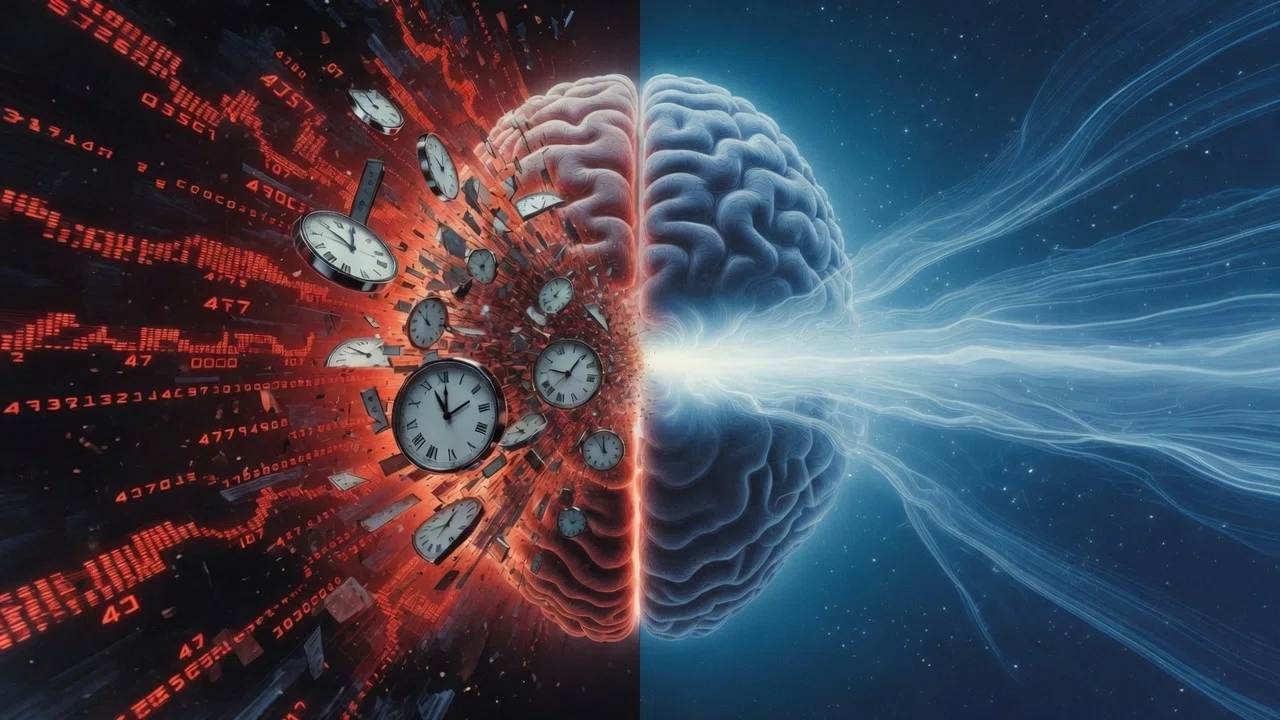
Here, allow me to speak a little philosophically.
Concentration is not merely the ability to process information efficiently.
It is deeply connected to how we face the world — to a way of living itself.
When we become used to short attention spans, we start judging everything only by “whether it is useful right now.”
Deeply savoring something, or simply staying with it, gradually becomes more difficult.
Eastern wisdom has long valued the practice of cultivating the power of concentration.
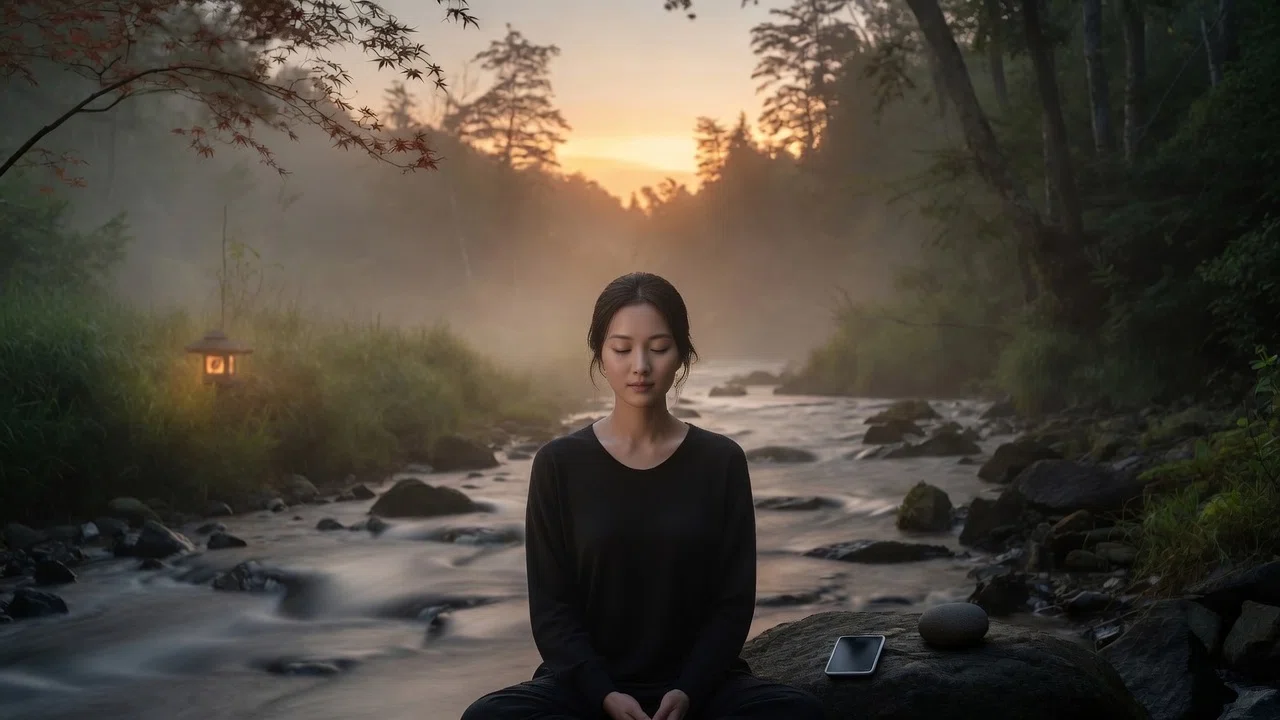
Directing awareness to the breath.
Sitting still.
Walking slowly in nature.
These small accumulations have helped calm the mind and restore longer attention.
Recent neuroscience is actually saying the same thing.
Starting with short periods of 10 or 15 minutes and gradually extending the time of focus.
Spending time in nature.
Putting the phone a little farther away.
These practices have been shown to be effective in recovering a tired attention span.
What matters most is not to blame yourself with the thought, “I must concentrate perfectly.”
Concentration is like a muscle.
If you overuse it, it becomes tired; if you rest it, it gradually returns.
You don’t need to try to focus for a full hour right away.
First, just create five or ten minutes free from interruption.
Even that alone lets the brain slowly remember, “Ah, this way of using attention also exists.”
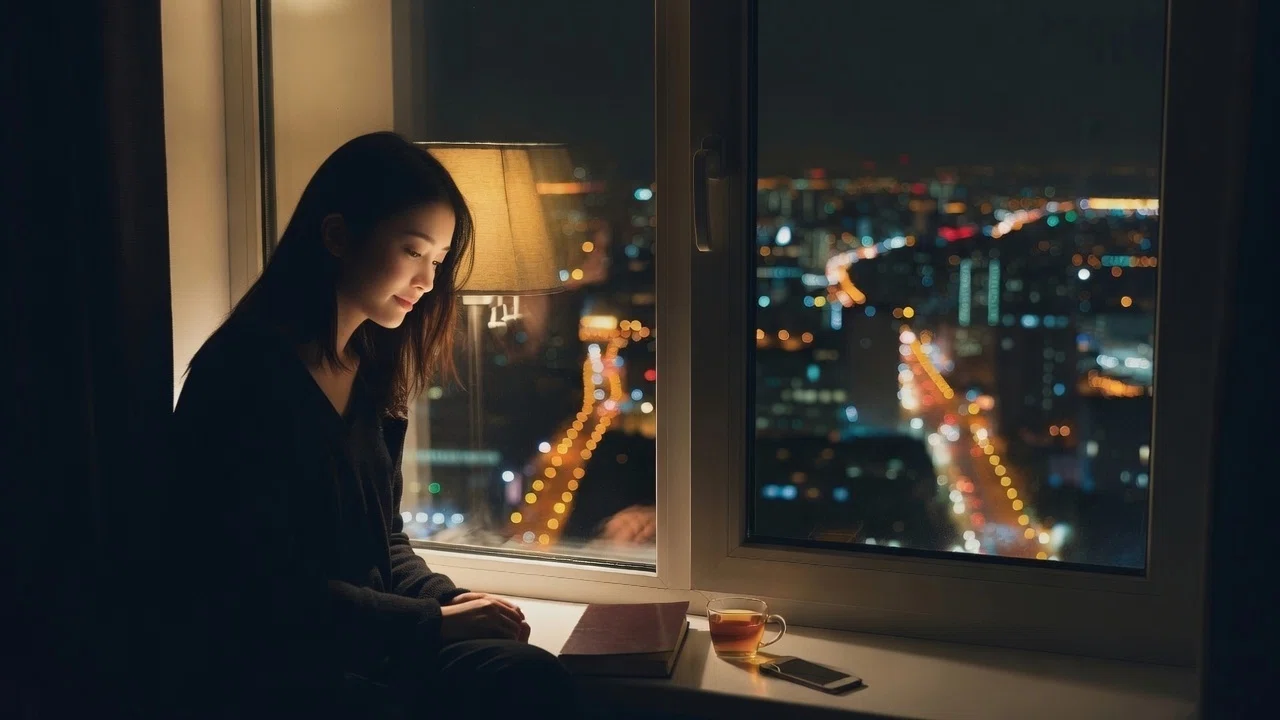
At night, put the phone a little farther away and create a quiet moment.
Drink some tea, open a book, or simply look out the window.
I believe the accumulation of such small choices will, in the long run, protect the depth of the heart.
The number “average 47 seconds” does show a harsh reality.
But it does not mean “we can never return.”
The brain is not broken.
It is simply a little tired from adapting to the present environment.
So there is no need to rush.
Slow is fine.
At your own pace, you can gradually reclaim this important power of concentration.
Today, why not try staying with one thing just a little longer?
That small step will surely lighten your heart a little.
Akira
👤 Profile: https://discipline.tokyo/profile.php
📧 Email: akira@discipline.tokyo
📮 Anonymous consultation form: https://discipline.tokyo/contact.php
📚 All activities: https://discipline.tokyo/index.php
※ This series and related content are the crystallization of my thoughts and are protected by copyright law. Please clearly indicate the source when quoting. Unauthorized reproduction or commercial use is prohibited.
© 2026 Akira All Rights Reserved.

QRコードで即追加 → 秘密の回廊が開く